
Match the plaster to its location
Cement-based plaster and gypsum plaster have different preparation, setting and finishing requirements. Ordinary interior gypsum guidance is not a specification for an external wall or a persistently damp surface. Even a moisture-resistant product has limits. Ask the designer and supplier to identify the system for each wall and ceiling, including bathrooms, utility spaces and sheltered or exposed balconies. A smooth skim or putty coat cannot solve water entering through the wall.
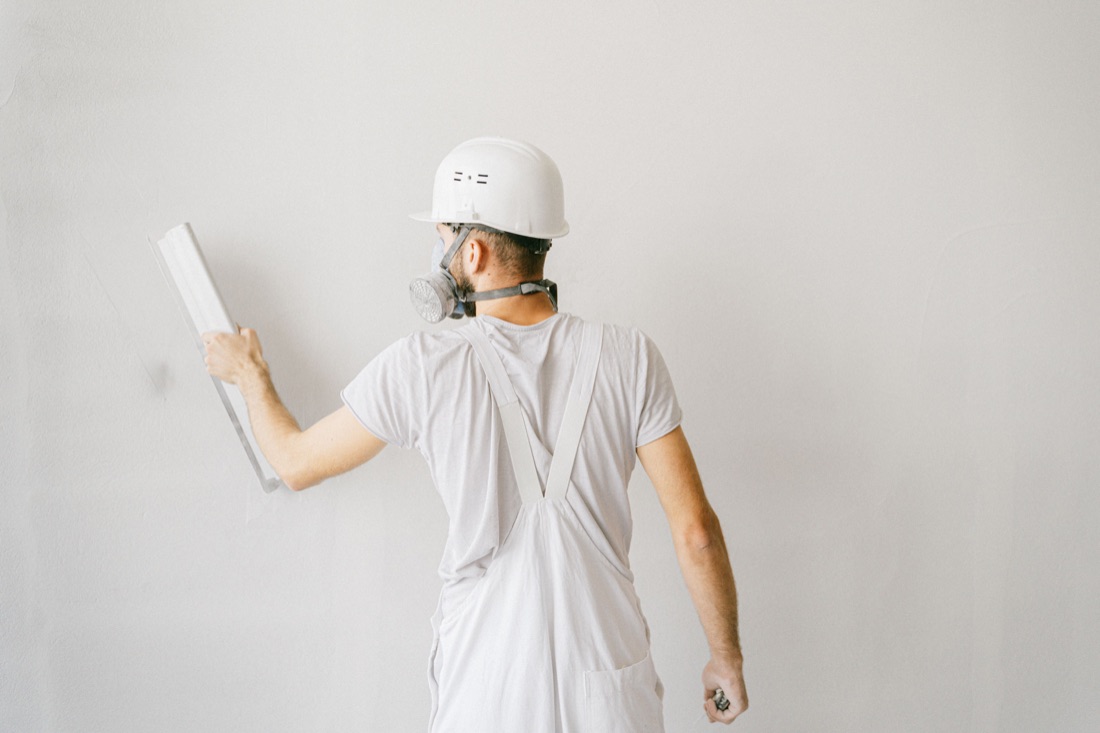
Before plastering
- Complete and check concealed service work first. Ask for plumbing test records and confirmation that electrical box positions suit the finished surface.
- Have loose material, contamination and defective background work dealt with. Concrete, brick and AAC may need different surface preparation or bonding treatment.
- Ask the designer to specify treatment at concrete-to-masonry junctions, filled service grooves and movement joints. Mesh may be part of a detail; it is not a guarantee against every crack.
- Agree reference points for wall alignment, corners, window reveals and finished thickness. Resolve a badly misaligned wall before trying to hide it under more material.
- Make a sample area showing the finish expected under the room's planned lighting and behind the chosen wall covering.
During application
- Check the product labels or approved site-mix specification and who controls mixing water. Follow the stated working time; material that has begun to set should not be revived casually with extra water.
- Ask the supervisor to check corners and surfaces progressively, especially where wardrobes, counters, skirting and door frames will meet them.
- Confirm how openings, concealed boxes and completed windows are protected. Keep intended joints and access points identifiable.
- For cement-based work, agree the specified curing arrangements. For gypsum, follow its own drying instructions instead of copying cement-plaster water curing.
- Plan exposed work around rain and rapid drying in hot weather. Calendar pressure should not override the product's application conditions.
Before painting or tiling
- Review cracking, loose or hollow-sounding areas and damp patches with the supervisor. Tapping and visual checks can identify concerns but do not certify adhesion.
- Ask for the cause of a repeated crack or salt deposit to be investigated before cosmetic filling.
- Confirm substrate moisture and preparation requirements with the paint or tile-system supplier. A surface that feels dry may still be unsuitable for the next layer.
- Record accepted repairs and the agreed finish before moving on, using the same sample and viewing conditions used to set expectations.
Common pitfalls
- Using extra plaster thickness to disguise poor masonry can exceed the chosen system's limits.
- Treating moisture-resistant gypsum as waterproofing overlooks the source and duration of moisture exposure.
- Painting on a fixed date without checking the background and coating requirements can trap an unresolved problem beneath the finish.