
Plan use before wiring
List appliances and likely locations: air conditioners, induction cooking, geysers, pumps, refrigerator, washing machine, work equipment and future needs such as an EV charger or rooftop solar connection. Ask a qualified electrical designer or contractor to translate the list into circuits, conductor sizes, protective devices and a distribution board arrangement under current rules and applicable standards. Do not copy a neighbour's switch count or ask an electrician to choose wire size by appearance. For hot Hyderabad summers, discuss air-conditioning loads and outdoor equipment exposure with the electrical professional.
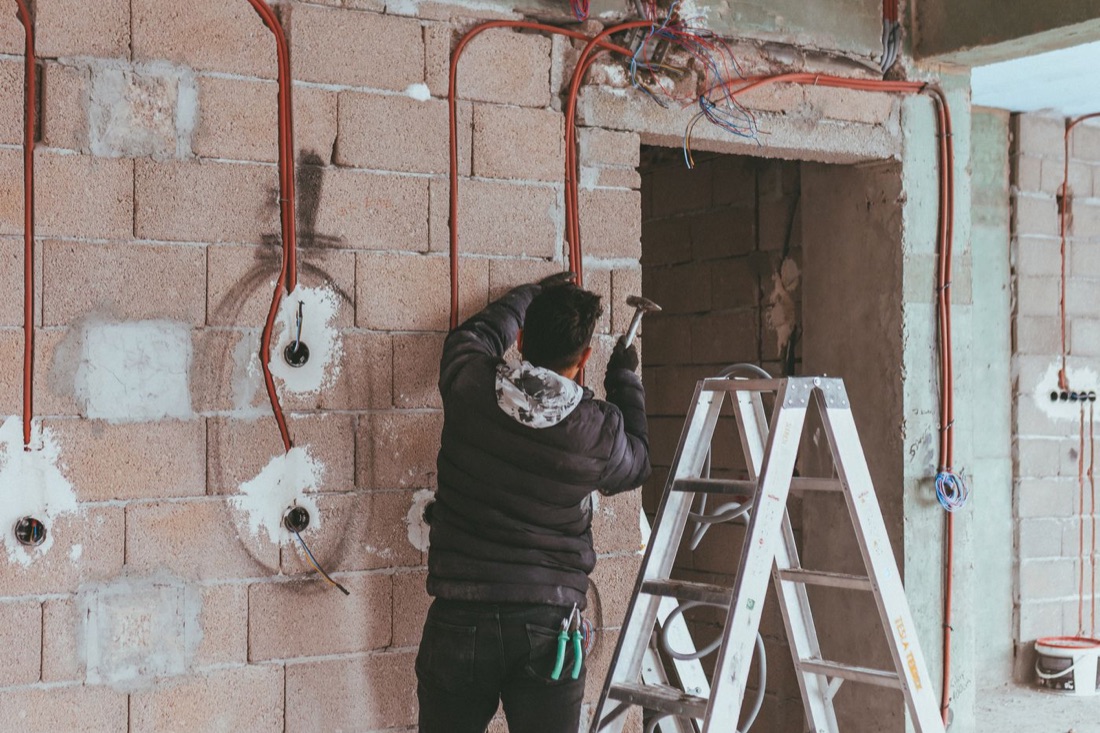
Before concealed wiring
- Mark switches, sockets, lights, fans, data points and appliance isolators on a room plan. Confirm bed sides, kitchen counter use, mirror positions and door swings with the household.
- Agree cable routes with the structural and plumbing drawings. Do not cut structural concrete or place conduits where they conflict with reinforcement or water pipes.
- Ask the electrician to identify each circuit, its protective device, earthing arrangement and intended load. Confirm suitable protection against electric shock, including applicable residual-current protection.
- Check that boxes are secure and accessible, conduit routes are continuous and pull paths are practical before plastering or ceiling closure.
- Decide how inverter, generator, solar, battery and utility supplies will be isolated and interconnected. These systems need a competent designer and may involve additional rules and approvals.
During installation and testing
- Ask for the wire and equipment make, type, size and certification or conformity details specified for the installation. Store product labels and invoices with the project records.
- Have the electrician keep a circuit schedule and label the distribution board clearly. Agree safe isolation and test procedures before energising.
- Request recorded checks appropriate to the installation, including insulation resistance, polarity, protective earth continuity and operation of protective devices. A light turning on does not establish electrical safety.
- Keep electrical work dry and protected during construction. Have the responsible electrician assess damaged cable, wet accessories or improvised joints before energising.
- Photograph routes and junction-box locations before covering them; mark changes onto an as-built plan.
Before handover
- Ask for test results, circuit and distribution-board schedules, equipment manuals and details of the electrician responsible for the installation.
- Walk through controls and safe isolation points. Confirm labels match the installed circuits and that access to the board is unobstructed.
- Keep any later additions within the design capacity. Get a qualified person to assess new major loads rather than using extension boards as permanent wiring.
Common pitfalls
- Installing conduits before finalising kitchen, wardrobe or appliance locations can leave sockets inaccessible.
- Hiding junctions, unlabelled circuits or untested joints makes fault finding and safe isolation harder.
- Sharing a generic wire size or breaker selection between homes ignores circuit length, installation method and actual load.